Choosing the wrong method between soft washing and pressure washing could damage your property’s exterior surfaces.
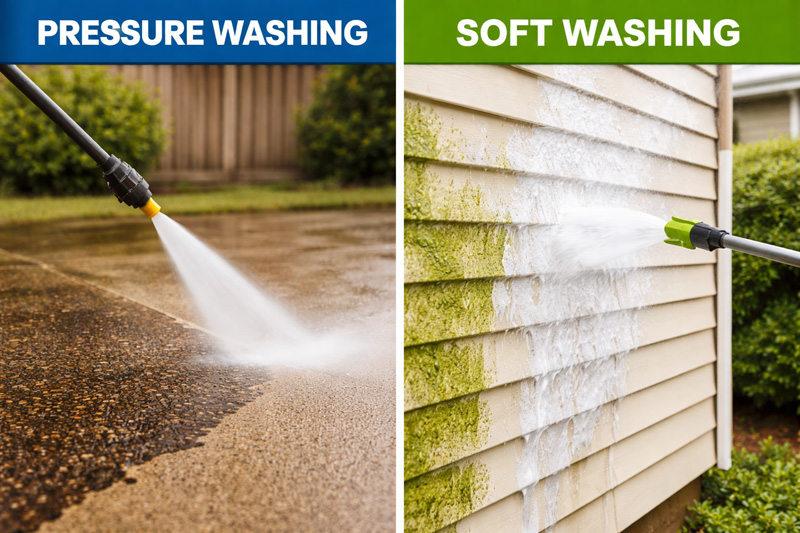
Pressure washing blasts away dirt with high-pressure water jets ranging from 3,000 to 8,000 PSI. This works for tough stains on concrete and hard surfaces. Soft washing uses gentle water pressure under 500 PSI and combines it with cleaning solutions that protect delicate materials like vinyl siding and roofs.
You need to understand what soft washing is and the difference between soft washing and pressure washing. We’ll break down the benefits of soft washing and pressure washing so you can determine which method suits your specific cleaning needs in 2026.
Understanding the Difference Between Soft Washing and Pressure Washing
How Soft Washing Works: Low Pressure with Cleaning Solutions
Soft washing operates on a different principle than traditional cleaning methods. This technique uses low-pressure water (under 500 PSI) to apply specialized biodegradable cleaning solutions to surfaces. The cleaning solutions do the heavy lifting and target organic growth, such as mold, mildew, algae, and bacteria, at a molecular level.
The method allows the cleaning solution to dwell on the surface and break down growth at the root rather than blast contaminants away. Soft washing systems operate between 150-300 PSI. Some vinyl siding applications use as low as 60-150 PSI. Most soft wash mixtures have sodium hypochlorite at their core, a powerful biocide and oxidizing agent that professionals use in concentrated 12.5% solutions.
How Pressure Washing Works: High-Pressure Water Jets
Pressure washing uses a high-velocity water stream to blast away dirt, grime, etc. The pressure washer uses its high-pressure pump to pressurize the water before sending it through the nozzle.
Pressure Levels: 500 PSI vs 3000+ PSI
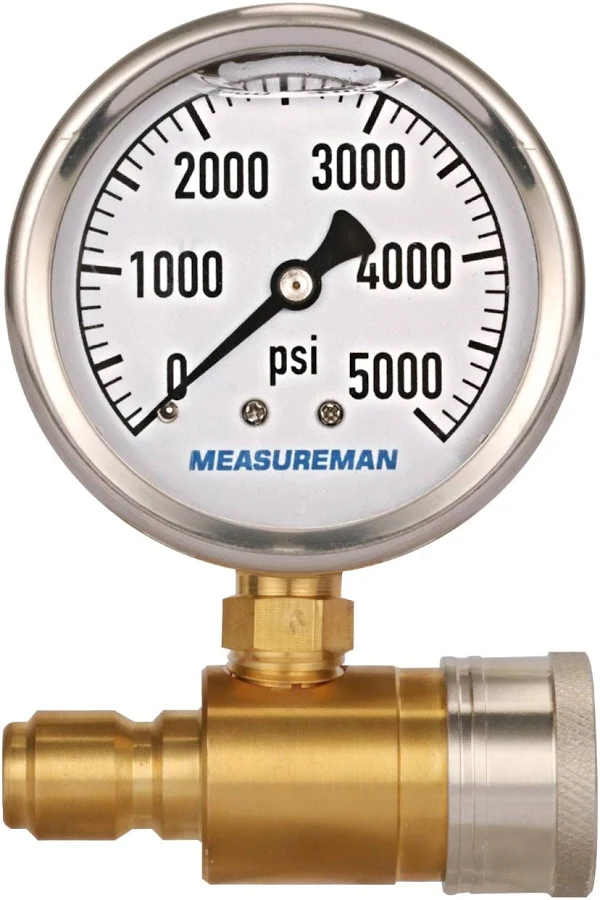
Professional pressure washers operate at 1,500-4,000+ PSI. Some medium-duty residential units range from 2,000 to 3,000 PSI. Soft wash systems max out at 500 PSI. This pressure difference determines which to use on the surface you are cleaning.
Chemical Solutions vs Pure Water Force
The difference between soft wash power washing and traditional pressure washing centers on methodology. Soft washing uses chemical agents to kill organic growth, while pressure washing relies solely on mechanical force. Pressure washing knocks visible growth off but leaves root systems intact. Regrowth occurs within six to twelve months. Soft washing eliminates biological growth and delivers results that last 3 to 5 years.
Pros and Cons of Each Cleaning Method
Benefits and Drawbacks of Soft Washing
Soft washing delivers long-lasting results that extend 4-6 times longer than pressure washing. The method kills mold, mildew, and algae at their source rather than rinsing surface contaminants away. This prevents regrowth and maintains clean surfaces for extended periods.
Water conservation is the most important advantage. Soft washing uses about 60 gallons total, of which about 40 gallons are actual water. The process protects delicate materials without stripping paint or causing structural damage. Biodegradable detergents used in soft washing break down after use naturally and minimize environmental impact.
Soft washing is less effective against tough stains such as oil, grease, and graffiti. The process moves more slowly since multiple passes may be needed if streaks or spots remain. Cleaning solutions increase overall costs and make this method pricier than water-only alternatives.
Benefits and Drawbacks of Pressure Washing
Pressure washing excels at quickly removing deeply embedded grime. The method tackles heavily soiled surfaces and blasts away tough stains fast. High water pressure reaches into grooves and crevices that other cleaning methods miss. This versatility makes it suitable for concrete, brick, and other durable materials.
Pressure washers consume 180 to 480 gallons of water per hour. The intense force can strip paint, dislodge shingles, and damage delicate surfaces if operators lack experience. Water forced behind siding creates moisture problems that lead to mold growth and structural issues. Pressure washing removes visible contamination but fails to kill spores. Regrowth occurs within months.
When to Use Soft Washing Instead of Pressure Washing
Selecting between softwashing and pressure washing depends on your surface material and cleaning objectives.
Roof Cleaning and Shingle Protection
Unlike pressure washing, soft washing helps prevent damage to your shingles.
Vinyl Siding and Painted Surfaces
Vinyl Siding can lose its protective coating, and water can get behind the panels when pressure washing. Soft washing cleans the painted and coated surfaces without damage. Always angle water downward to prevent moisture intrusion behind siding.
Wood Decks, Fences, and Outdoor Furniture
The major manufacturers of composite decking discourage the use of pressure washing. Pressure washing will void warranties and damage soft materials. Soft washing provides a safer, gentler cleaning to finished wood surfaces.
Stucco, Screens, and Delicate Materials
Stucco’s porous composition makes it vulnerable to cracking under high pressure. Soft washing avoids erosion while removing dirt and mold buildup. The cleaning solutions penetrate porous surfaces without structural damage.
Concrete Driveways and Walkways with Pressure Washing
Pressure washing restores concrete surfaces by penetrating porous material and flushing out embedded contaminants. The intense water force removes auto grease stains and deep-seated grime from concrete surfaces.
Heavy-Duty Cleaning for Industrial Surfaces
Warehouse floors and machinery in industrial environments just need pressure washing. Heavy grease and oil spills require high-pressure applications that soft washing can’t address.
Making the Right Choice for Your Property in 2026
Property assessment determines which method delivers optimal results. Surface durability plays the deciding role in method selection.
Review Your Specific Cleaning Needs
Before you select a cleaning approach, get into the materials that just need treatment. Durable concrete withstands pressure washing, whereas vinyl siding and asphalt shingles cannot. In some cases, heavy algae buildup on your roof may require special chemicals that soft washing alone cannot provide.
Budget Considerations and Long-Term Value
Professional soft washing costs between USD 0.20 and USD 1.00 per square foot, while pressure washing costs between USD 0.10 and USD 0.75 per square foot, depending on your area. These original differences become negligible when you factor in long-term value. Soft washing results last 12 to 18 months, much longer than pressure washing. Preventing damage repairs offsets any upfront cost differences.
Finding a Professional Exterior House Cleaning Service
Professional exterior house cleaning services employ trained, experienced technicians. Make sure they carry insurance to protect your property and have experience in the project you want. Professional Exterior cleaning companies invest in quality equipment and cleaning solutions.
Comparison Table: Soft Washing vs Pressure Washing
| Attribute | Soft Washing | Pressure Washing |
|---|---|---|
| Pressure Level (PSI) | Under 500 PSI (typically 150-300 PSI; as low as 60-150 PSI for vinyl siding) | 3,000-8,000 PSI (professional: 1,500-4,000+ PSI; residential: 2,000-3,000 PSI) |
| Cleaning Mechanism | Low-pressure water combined with specialized biodegradable cleaning solutions (sodium hypochlorite at 12.5% concentration) | High-velocity water streams that blast away dirt and contaminants |
| Water Consumption | About 60 gallons total (around 40 gallons of actual water) | 180-480 gallons per hour |
| Results Longevity | 12-18 months; up to 3-5 years with proper application | 6-12 months (regrowth occurs as root systems remain intact) |
| Cost per Square Foot | USD 0.20 – USD 1.00 | USD 0.10 – USD 0.75 |
| How It Works | Cleaning solutions dwell on surface and break down organic growth at the root/molecular level | High-pressure pump propels water and ejects it through specialized nozzle |
| Effectiveness Against Organic Growth | Kills mold, mildew, algae and bacteria at their source; eliminates biology | Removes visible contamination but fails to kill spores; allows regrowth |
| Best For | Roofs, vinyl siding, painted surfaces, wood decks, composite decking, stucco, screens and delicate materials | Concrete driveways, walkways, brick, metal, durable surfaces, industrial environments and heavily soiled surfaces |
| Environmental Impact | Biodegradable detergents break down after use; lower water consumption | Higher water consumption |
| Limitations | Less effective against tough stains (oil, grease, graffiti); slower process; higher cost due to cleaning solutions | Can strip paint, dislodge shingles and damage delicate surfaces; can force water behind siding and cause moisture problems |
| Speed | Slower; may require multiple passes if streaks or spots remain | Fast; removes embedded grime quickly |
| Surface Protection | Protects delicate materials without stripping paint or causing structural damage | Risk of damage to soft or delicate surfaces; can gouge and splinter wood |
| DIY Equipment Requirements | 6.5 GPM output at 150 PSI; 50-100 gallon water tanks; 10-20 gallon chemical tanks; chemical-compatible pump components | Not specified in detail |
| Professional Satisfaction Rate | 95% among homeowners who use professional services | 95% among homeowners who use professional services |
Conclusion
The soft washing vs pressure washing debate comes down to your surface type and cleaning goals. Soft washing protects delicate materials like roofs and vinyl siding while delivering longer-lasting results. Pressure washing is effective on concrete and brick, where durability isn’t a concern. I’d recommend assessing your specific property needs and budget. If you’re unsure, consult a professional service to avoid costly damage and ensure optimal results.
Soft Washing vs Pressure Washing | Blog Article | First Class Exterior Cleaning, LLC | All Rights Reserved | Greer, South Carolina